
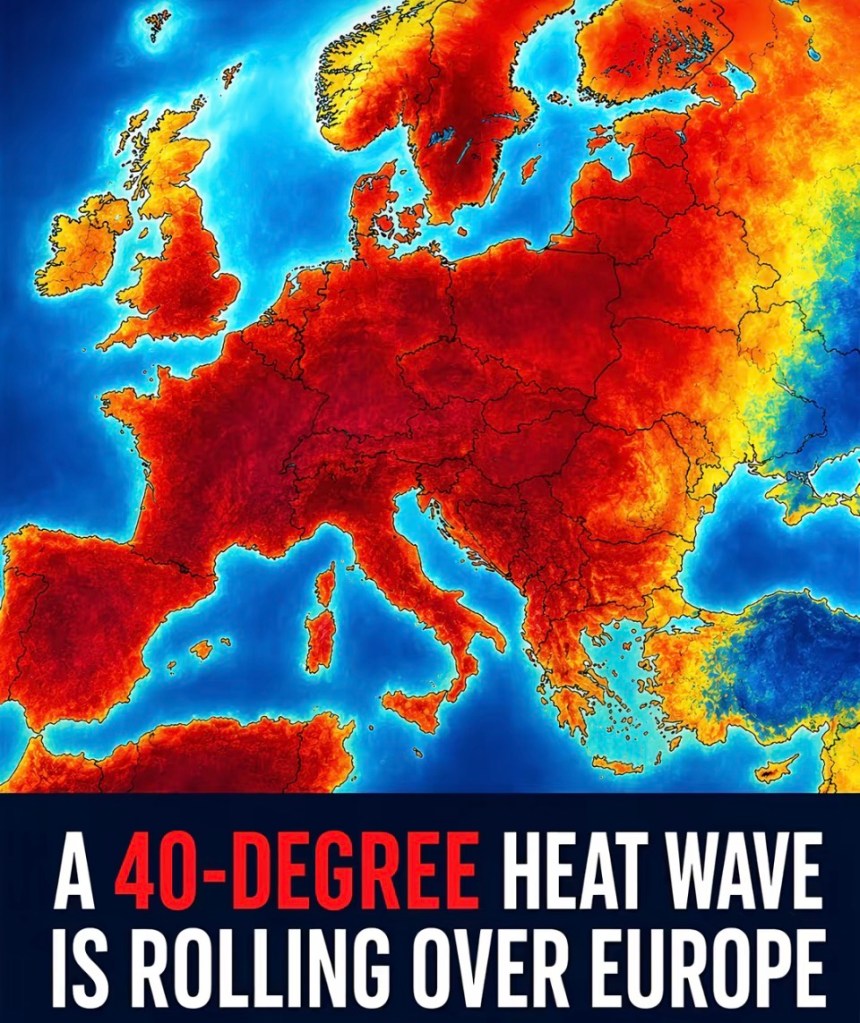
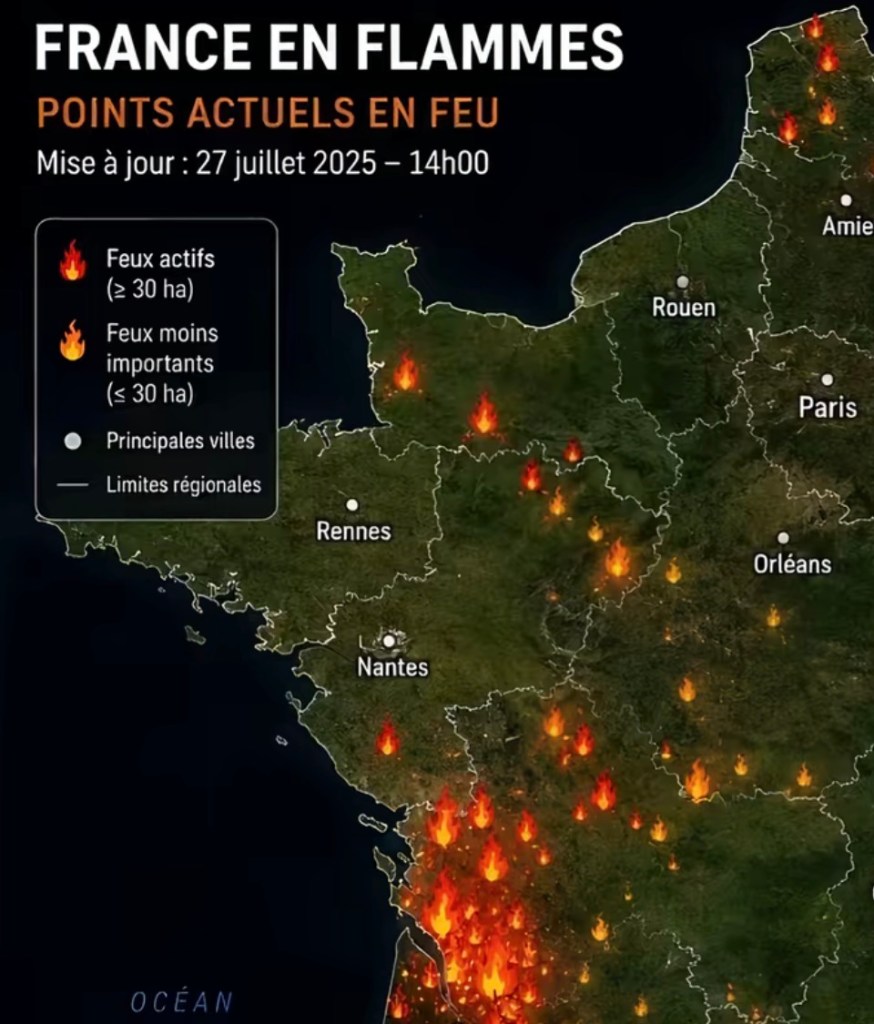
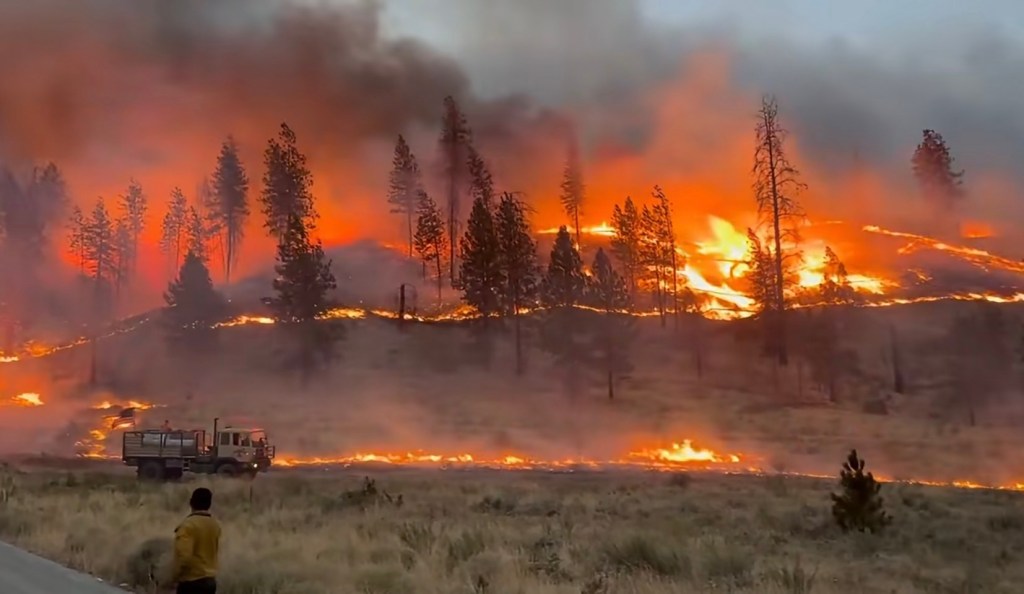
I started this blog in 2019 with a first short entry entitled “Why Am I Emotional?” I’m more emotional now. Huge swathes of Europe on fire, as predicted, and floods elsewhere. I was engaged with campaigns for climate action in the 1990’s advised by Jonathan Neale, convinced of the emergency by South American climate scientists offering mentorship at the World Social Forum, and educated by experts through the Campaign against Climate Change, helping with the Climate Jobs manifesto and mass engagement through the trade union movement. The level of climate denial, sponsored and funded by the billionaire oil and gas corporations, has effectively dwarfed all our efforts. Perhaps now, as the world burns – as predicted by Greta Thunberg back in 2019 – the penny has dropped and the climate emergency can be acted upon. But it doesn’t look that way.
Here’s my first blog entry, fyi:
6th September 2019
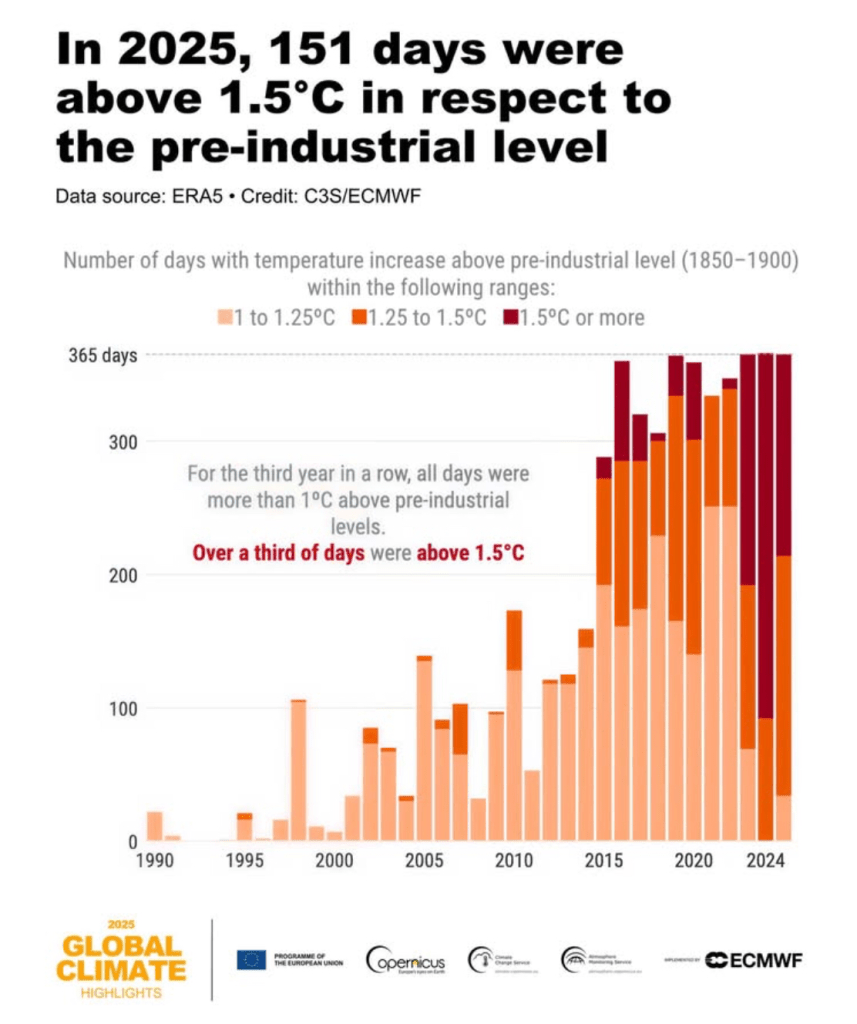
Global Heating, the recently revised term for what is happening to the Earth’s climate, is accelerating at an unpredicted rate. Not only had the Intergovernmental Panel on Climate Change (IPCC) failed to include acceleration in it’s 2018 forecast of a 1.5degree rise in global temperatures, but the best scientific modelling has proved to be decades out in its predictions of fires and floods.
This week alone we have seen three super-hurricanes form and develop at the same time, historically unheard of. Dorian caused storm surges, floods, widespread death and devastation across the Bahamas. At the very same time, uncontrollable fires blaze across all corners of the globe, not just the Amazon but the Arctic, Africa and Australia.
Anyone watching must experience at least a passing surge of anxiety. Anyone directly involved will be experiencing trauma, with lasting effects. There is no peace from the recurring memory of a firefighter friend dying fighting a fire, a neighbour drowned in a building collapsing under water, a relative trapped in their car.
Now consider what it is for a child or young person perceiving these events. With the rest of their lives spanning a length difficult to perceive when young, the image of global heating excites a fear and despondency equitable to the feelings of youth in the late nineteen thirties or during the broadcasts at the time of the Bay of Pigs.
We face a catastrophe. Many in the know suggest we face extinction. School students have taken strike action and will, once again, in 26 countries and over 1,000 cities worldwide on 20th September. This time the school refuser and environmental activist, Greta Thunberg, has called on adults for support. We can’t leave the future to the kids.
We can stop the coming Climate Catastrophe, but, as detailed by Extinction Rebellion rather than the IPCC, we have to go to a global war footing and diminish all use of carbon-based fuels towards zero emissions by 2025. This requires such a radical transformation of production and consumption that only mass mobilisations of millions of humans worldwide can ensure politicians and corporate bosses are forced to comply.
The question of the hour shouts out; have the People the emotional resilience to take part and sustain system change? Will the repeated images of horror caused by human-made “Acts of Nature” become too awful to watch or too numerous to evoke any emotional response? Like civilians in a war zone, will we be rendered powerless? Like soldiers on a battlefield, will we become dehumanised and heartless?
There is a great need to speak the Truth about climate change. An essential ideological battle to be won, here and now, against The Deniers. But in so doing, the individual trauma faced by each of us as we perceive the coming catastrophe has to be openly acknowledged and managed.
We have to talk about global heating. We must feel we can do something, such as offering solidarity to the flooded of the Abaco Islands and those driven by flames in New South Wales. We must link arms to challenge the unnatural anti-human, anti-environment, anti-science nonsense of Trump and Bolsonaro.
We must challenge the Great Denial in all its forms. And to do all this we must acknowledge the emotional impact of our times, manage our inner pain, and offer solace and support to each other in this unprecedented tense and anxious emotional climate.
 Emotional Climate